
Dresden knows how to make an entrance. The Elbe moves quietly through the city, the dome of the Frauenkirche catches the evening light, and the grand buildings around Theaterplatz appear to have history neatly under control. They do not. Dresden is a city of ruptures, where royal display sits beside political guilt, wartime destruction beside reconstruction, and old stone beside one of Europe's most ambitious technology clusters.
Augustus the Strong: when splendour was political stagecraft
Much of the Dresden people recognise today took shape under Frederick Augustus I, the Saxon elector remembered as Augustus the Strong. When he came to power in 1694, he treated culture and architecture as instruments of statecraft. A dazzling court, exceptional collections and buildings designed to impress were meant to give Saxony a commanding place in Europe. The Zwinger and the royal art collections were not decorative side projects; they were part of the political programme.
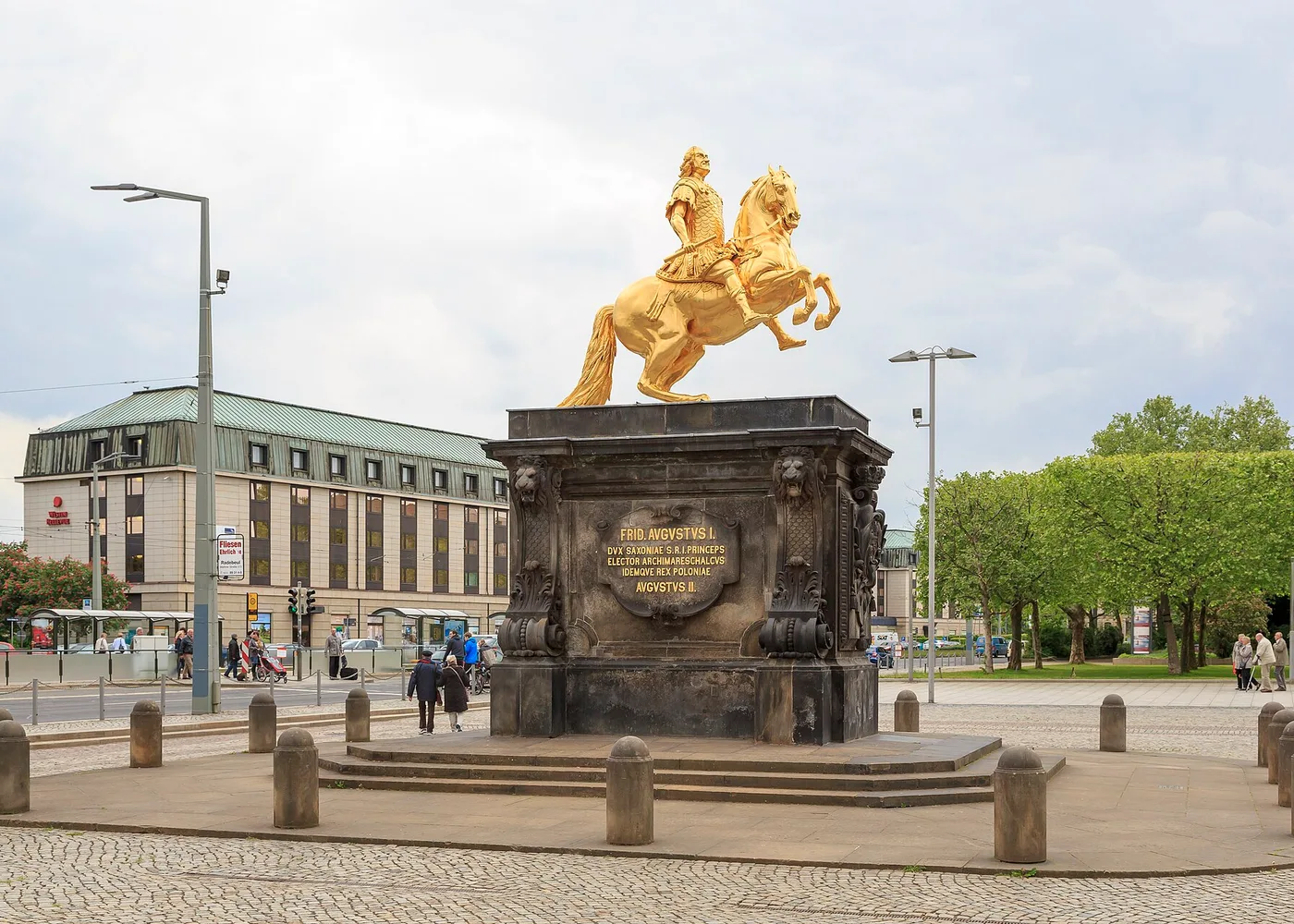
Augustus still rides across Neustädter Markt in the form of the gilded Golden Rider, facing towards Poland. The direction matters. In 1697 he also became King of Poland. The monument is therefore more than an elegant landmark: it is royal ambition cast in metal. Dresden's Baroque beauty was carefully commissioned, funded and staged.
A city's beauty cannot conceal crime and suffering
After 1933, Dresden was not an innocent backdrop to Nazi rule. Jewish residents were stripped of their rights and persecuted; political opponents were dismissed, arrested and subjected to state violence. During the November pogrom of 1938, Nazis burned the synagogue designed by Gottfried Semper. The city's administration, transport links and businesses formed part of the machinery of dictatorship and war. Any account that begins with Dresden as a victim in 1945 leaves out the years in which it also participated in the regime.
From 13 to 15 February 1945, British and American aircraft carried out four major raids on Dresden. A firestorm consumed the historic centre and large residential districts; current scholarship puts the number of dead at about 25,000. The deaths of civilians, the loss of entire neighbourhoods and the destruction of an extraordinary cityscape require no embellishment to be devastating. Whether the raids meet the legal definition of a war crime remains disputed. A responsible account must hold two realities together: the extreme violence of the bombing and Dresden's place within a state that had waged a war of occupation and annihilation across Europe.
Soviet occupation, the GDR and the second life of stone
The Red Army occupied Dresden in May 1945, and the Soviet Military Administration began reshaping the city's political and economic life. The defeat of Nazism did not lead directly to liberal democracy. Expropriations, political purges and the forced merger of the Social Democrats and Communists helped prepare the ground for one-party rule. Dresden became part of the German Democratic Republic in 1949 and later served as the capital of its own district. The uprising of 17 June 1953 reached the city too, bringing strikes, protests and repression.
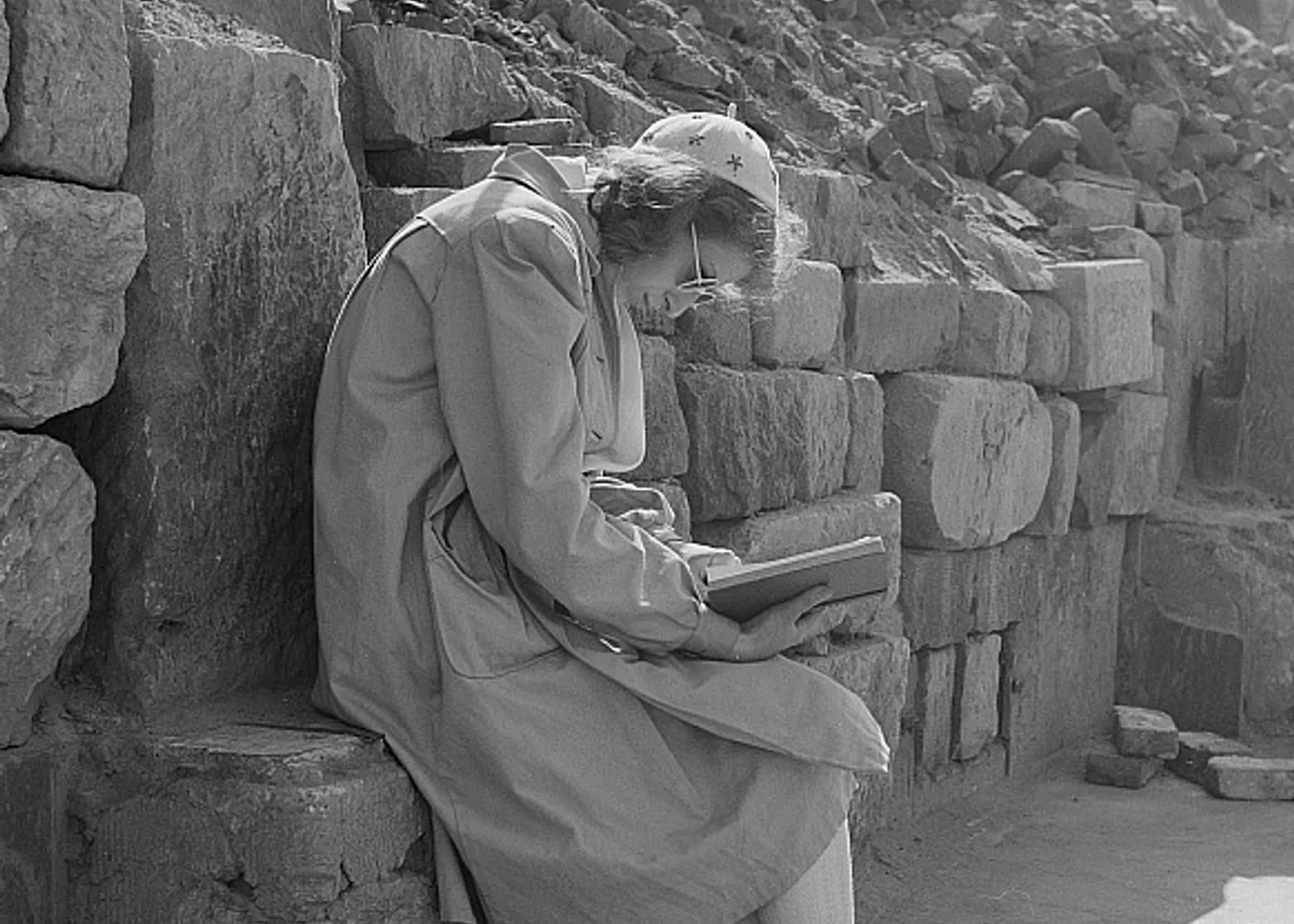
Reconstruction followed the priorities of the socialist state. Broad roads and new housing changed the centre, while the Zwinger and Semperoper were painstakingly restored. The ruins of the Frauenkirche remained untouched for decades as a visible memorial to the war. In the autumn of 1989, Dresden's streets filled with demonstrators during the Peaceful Revolution. Reunification then brought another profound transformation: the historic centre was rebuilt, while the wider city set out to become a centre for science, advanced manufacturing and research.
Two institutions, two distinct educational characters
Dresden's two leading institutions offer genuinely different ways to study. TU Dresden has the scale, subject range and research infrastructure of a major university. HTW Dresden is smaller, more applied and more closely tied to professional practice. Choosing between them is less about prestige than about the kind of learning environment that suits you.
Research · 1828
Technische Universität Dresden
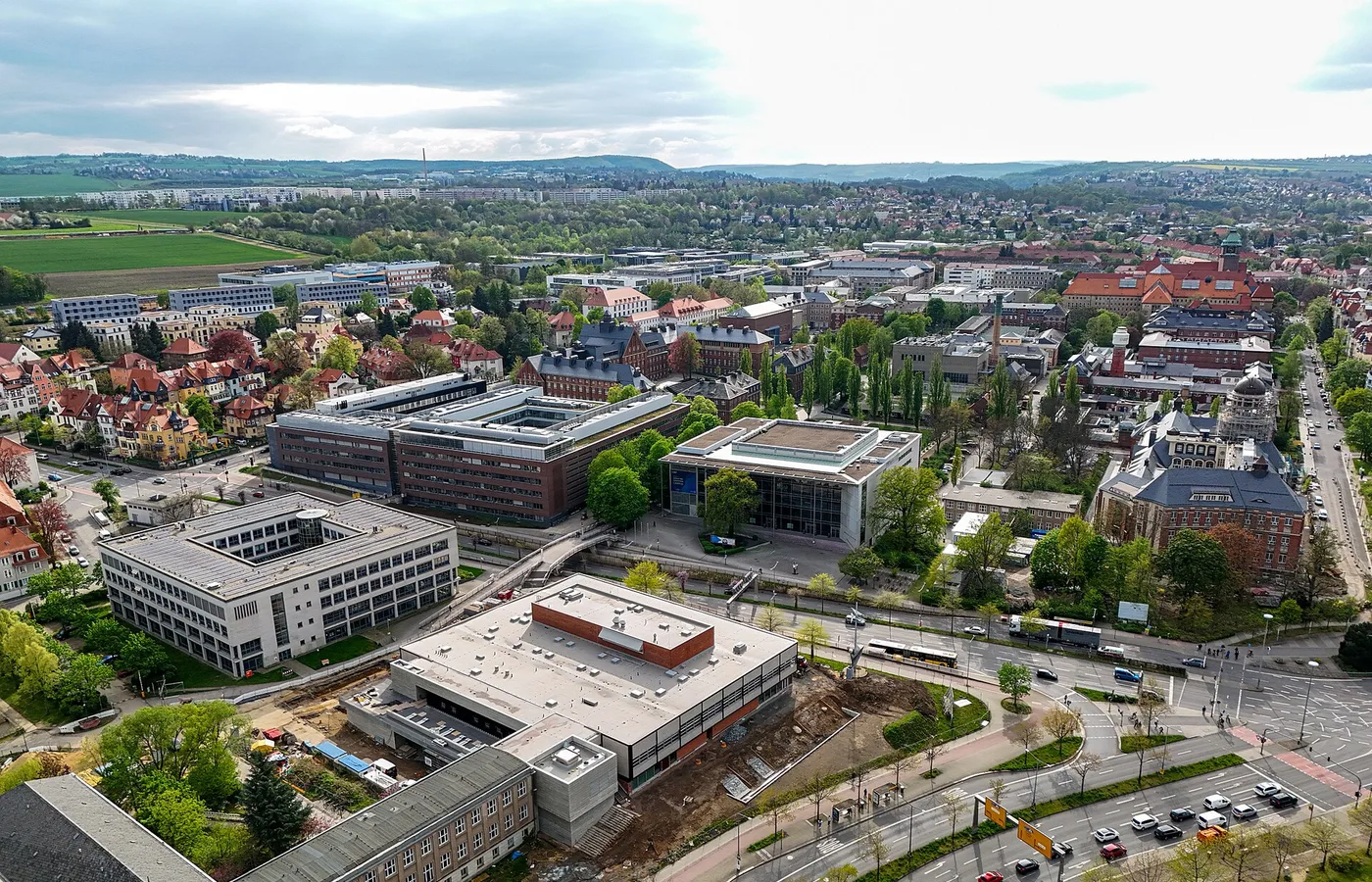
TU Dresden traces its history to a technical school founded in 1828. Today its academic range extends from engineering and the natural sciences to medicine, the humanities and social sciences. It has held University of Excellence status since 2012. Large research alliances, extensive laboratory facilities and close links with independent institutes make it the stronger choice for students who want to pursue research in depth.
Explore TU Dresden →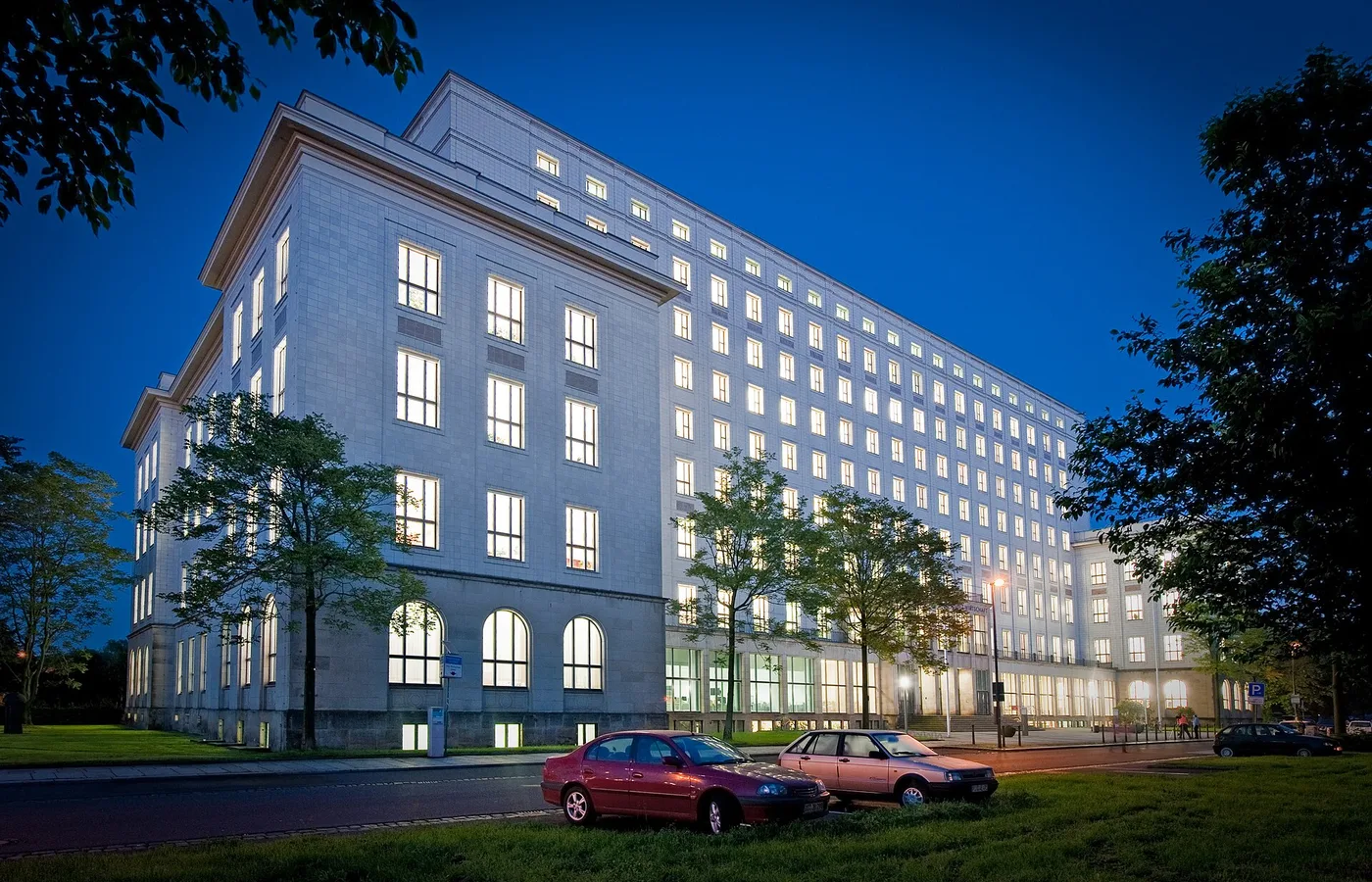
Applied learning · 1992
HTW Dresden
Founded in 1992, HTW Dresden is the city's second-largest higher education institution. Its 40-plus degree programmes cover engineering, business, design and environmental fields. Teaching is practical, groups tend to be smaller, and collaboration with employers is built into many courses. It is well suited to students who want an academically sound education with an early emphasis on projects and professional application.
Explore HTW Dresden →Ausbildung: clean rooms, workbenches and real professions
A technical career in Dresden does not have to begin at university. Local companies offer dual vocational training in fields such as electronics, mechatronics, microtechnology and IT. Apprentices divide their time between an employer and vocational school, learning on real equipment as well as in the classroom. BSZ Elektrotechnik is one of the key training centres for occupations connected to the semiconductor industry.
GlobalFoundries, Infineon, Bosch and X-FAB took on particularly large apprentice cohorts in 2025, while ESMC launched its first mechatronics and microtechnology programmes. Industry projections cited by the City of Dresden suggest that Saxony's high-tech sector could require at least 27,000 additional workers by 2030. That figure is not a promise of employment. It does show that vocational training is now a strategic part of the region's industrial plans.
From Baroque domes to wafers: Dresden's affair with electronics
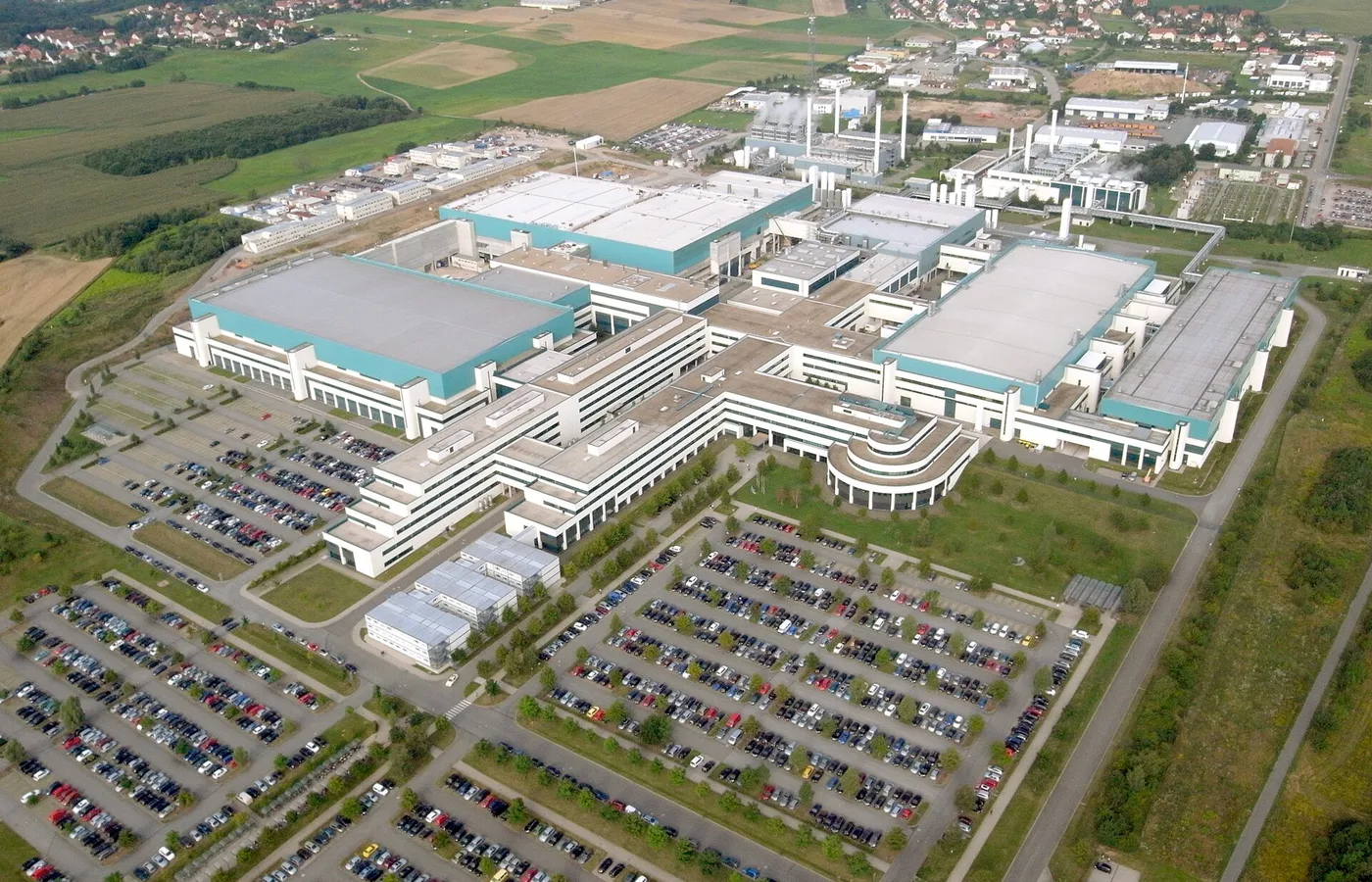
While the old town trades on Baroque splendour, northern Dresden works at dimensions measured in nanometres. The city has become one of Europe's most important microelectronics centres. Municipal figures suggest that roughly one third of all chips manufactured in Europe are made here. Silicon Saxony brings semiconductor producers, suppliers, universities and research institutes into a single regional network; GlobalFoundries, Infineon, Bosch and X-FAB are already established names.
ESMC is set to add another major fabrication plant. TSMC owns 70 percent of the joint venture, with Bosch, Infineon and NXP holding 10 percent each. The project carries an announced investment of more than €10 billion, a planned monthly capacity of 40,000 300 mm wafers and approximately 2,000 direct jobs once fully operational. Production is expected to begin in late 2027. A fab on this scale needs far more than chip designers: it also depends on skilled staff in equipment operations, maintenance, quality control, chemistry, logistics and IT.
Who is Dresden right for?
Dresden works well for students who want culture, access to nature and a concentrated academic environment without the scale or cost of Berlin and Munich. Journeys across the city are manageable, Saxon Switzerland is close, and the technical labour market is unusually dense. It is not an uncomplicated idyll. The legacy of eastern Germany's economic transformation, current political tensions and the practical importance of speaking German all belong in an honest assessment.
The decisive questions are therefore personal rather than picturesque: Does the course or occupation fit? Is the budget realistic? Is your German strong enough for study, training and daily life? Does the local job market support the plan after graduation? Dresden can offer exceptional opportunities, but only preparation turns a promising city into a workable route.
Let's clarify your route to Dresden together.
We can review whether TU Dresden, HTW Dresden, an Ausbildung route or German-language preparation best fits your background and timeline.
Get a free consultationSources and verification
Official sources behind this city portrait
- City of Dresden: City history
- City of Dresden: 13 February 1945, history and remembrance
- German Historical Museum: The bombing of Dresden
- TU Dresden: History of the university
- HTW Dresden: Institutional profile
- City of Dresden: Ausbildung and workforce in microelectronics
- City of Dresden: Microelectronics ecosystem
- TSMC: ESMC partnership and Dresden fab plan
- ESMC: Official company and fab information
Historical events are summarised in the context established by the cited sources and with deliberately careful language. Investment, capacity and employment figures are project plans; schedules and realised values may change. Last editorial review: 24 July 2026.